

Advancing research.
Listening to patients.
Chronic pain, eating disorders, emotional distress, or fatigue: patients’ daily lives involve much more than their treatment.
FriLi App brings together pharmaceutical companies, research teams, and healthcare centers to explore new ways to support patients throughout their care.
Beyond treatment,
patients need support.
People living with chronic pain or eating disorders may continue to face challenges even while receiving care.
Emotional well-being
Coping with the psychological and emotional effects of illness, finding guidance, and feeling supported.
Everyday symptoms
Managing pain, fatigue, and their impact on daily activities, relationships, and quality of life.
A relationship with food
Receiving support for challenges related to eating behaviors, alongside specialized care.
Engagement in care
Understanding the barriers patients face throughout treatment and supporting continuity of care.
Digital support
for everyday life.
FriLi App brings together resources, practices, and personalized support that patients can access remotely.
The program draws on the MBC method — Mind, Body, Connection, which explores the relationships between the body, emotions, and the mechanisms of pain.
This approach is designed to complement medical care, taking patients’ needs and the framework agreed upon with partner teams into account.


Working together to understand
and support patients.
FriLi App, pharmaceutical companies, and healthcare centers bring complementary expertise.
By bringing these perspectives together, we aim to better understand patients’ experiences and the role of additional support throughout their care.
Patients remain at the heart of this collaboration. Their needs, challenges, and lived experiences help shape the questions we explore together.
FriLi App
Resources and personalized programs to support patients in their daily lives and throughout their care.
Pharmaceutical companies
Treatment development and research projects that deepen our understanding of patients’ needs and experiences.
Healthcare centers
Medical treatment, care coordination, and ongoing patient follow-up.
Developing projects.
Evaluating patient support.
FriLi App Research seeks to contribute to collaborative projects focused on chronic pain and eating disorders.
The goal is to explore how additional support fits into patients’ experiences of illness, quality of life, and treatment.
Each collaboration is developed together: the research question, the patient population, the support provided, and the outcomes to evaluate.


Connecting patient experiences
with research questions.
- A complementary approach: practices focused on the body, emotions, and understanding pain.
- Everyday support: resources and personal guidance that can fit alongside existing care.
- A focus on evaluation: working together to define what we want to observe, understand, and improve.

A testimonial from Dr. Eric Nectoux
Pediatric orthopedic surgeon at Lille University Hospital, France.
“I have benefited from several of the techniques presented in this Mind-Body-Connection method. I readily discuss them with my patients during consultations.”
Read the rest of his testimonial
“Emotional suffering is closely linked to chronic pain. Reading this book, I discovered a wonderful resource bringing together many techniques that had helped improve my psychological well-being. It put words and structure to the message I had been trying, somewhat clumsily, to convey during consultations!
Far from replacing evidence-based medicine, these techniques, brought together in a single method, have been the subject of validated neuroscience studies and can help people who have been suffering for a long time find a way forward.”
Translated from French. This testimonial concerns the MBC method and Lili Road’s French book, Bye bye douleurs chroniques.
Research, connections,
and professional training.
Lili Road’s journey has drawn on different approaches exploring the relationships between pain, the body, and emotions.

Dr. Howard Schubiner
Mind-Body Medicine Center · Michigan, USA
His work explores the relationships between the brain, emotions, and pain, building on the approach developed by Dr. John Sarno.

eCentreClinic
Macquarie University · Sydney, Australia
A research unit developing remote psychological treatment programs, including programs for people living with chronic pain.

Alan Gordon and PRT
Pain Psychology Center · Los Angeles, USA
Lili Road has trained in Pain Reprocessing Therapy. This approach is one of the tools used within the MBC method.

Dr. John E. Sarno
Rehabilitation medicine · New York, USA
His work on the role of emotions in certain forms of chronic pain is among the influences that have shaped Lili Road’s approach.
A method to understand,
explore, and practice.
The MBC method brings together explanations, workshops, and practices exploring the body, emotions, and the mechanisms of pain.
It has grown from Lili Road’s personal and professional journey and takes different forms through her books, the community, and FriLi’s support programs.
An approach that complements medical care, adapted to each person’s circumstances and needs.


Mind
Better understand the mechanisms of pain and make room for a greater sense of calm.
Knowledge is power.

Body
Build a more trusting relationship with your body and explore movement at your own pace.
One step at a time.

Connection
Explore the connections between the brain, the body, and everyday experiences.
Put understanding into practice.
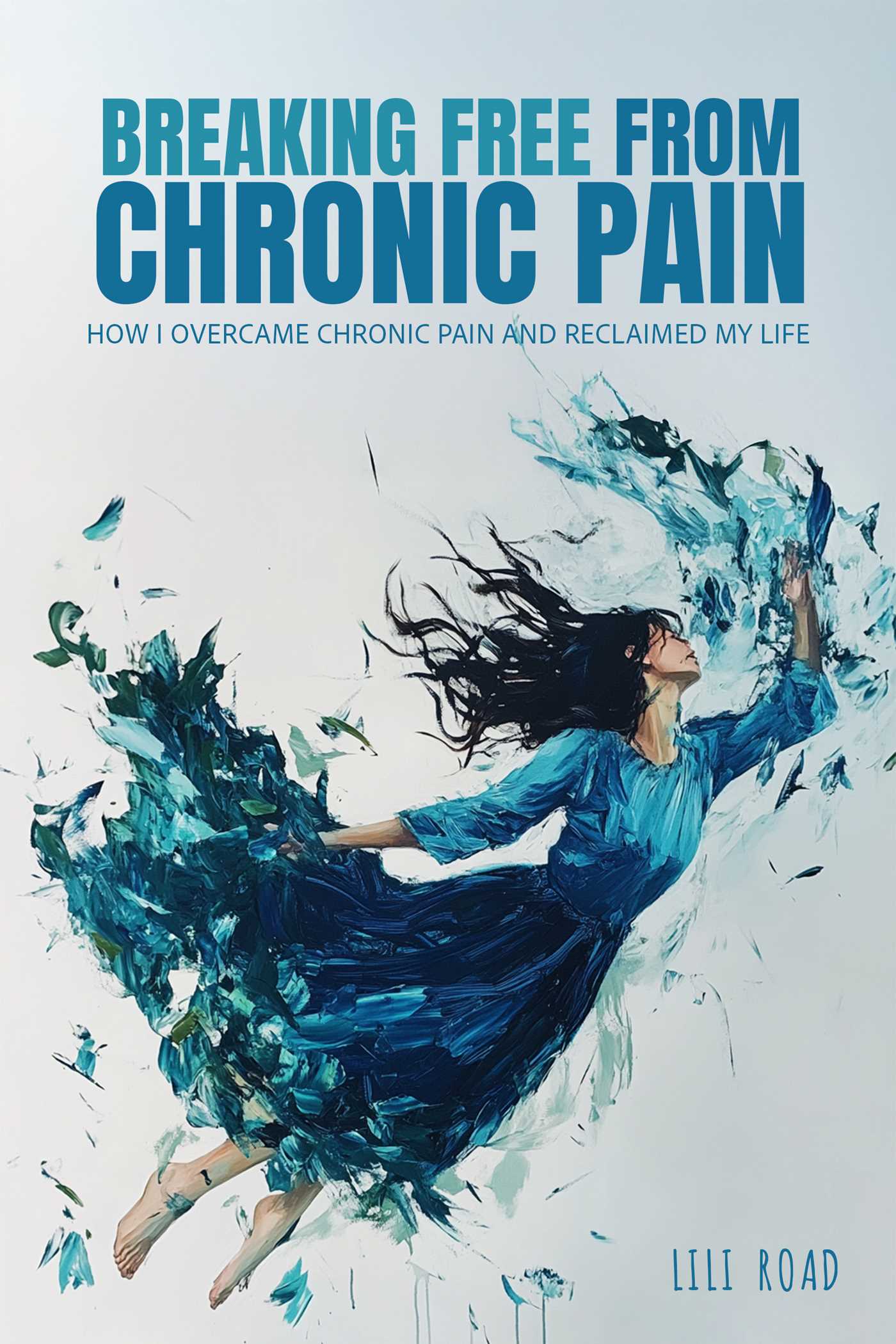
Breaking Free from Chronic Pain
In her English-language memoir, Lili Road shares her personal experience of chronic pain and her journey toward reclaiming her life.
A personal perspective for teams interested in understanding the lived experience of persistent pain and the role of support along the way.
A research project?
A partnership to explore?
Tell us about your team, your research interests, and the needs of the patients involved. Together, we can explore how FriLi App could fit into your project.
Lili Road – Gheysens
Artist, author, and art therapist, Lili Road brings together personal experience and professional training in supporting others.
She holds a qualification in art therapy from the Faculté Libre de Médecine de Lille and has also trained in PRT, yoga, meditation, NLP, and hypnotherapy.
She is the author of Breaking Free from Chronic Pain , as well as the French books J’ai mal mais je me soigne and Bye bye douleurs chroniques.
More about her background
Lili Road also contributes to discussions on health, well-being, and personal development on RCF Belgium.
She holds the French agrégation in English, a Master in International Management from SKEMA Business School, and a Diplom Kauffrau from Fachhochschule Osnabrück.
Her training also includes yoga (RYT-500) and meditation (CMT-500).
